The Discovery Series
Landmark science,
read at your altitude.
Every Celestium discovery in one place. Each is written three times over — a twenty-second glance, a curious read, and a full deep dive — from the same fact set, at the depth you choose.
17 discoveries
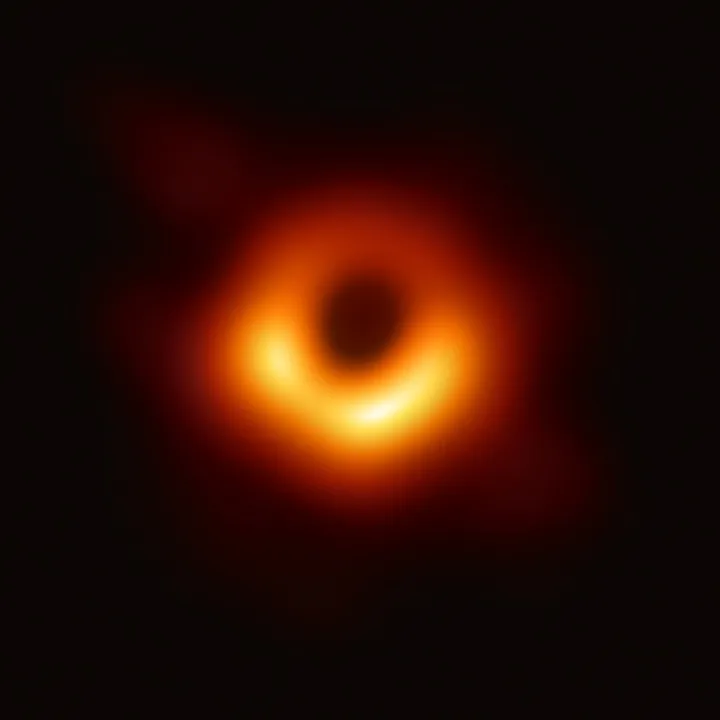
We took a photograph of the unphotographable.
A black hole emits no light by definition. In 2019, an Earth-sized instrument returned the first direct image of one anyway — and it looked exactly like a century-old equation said it would.
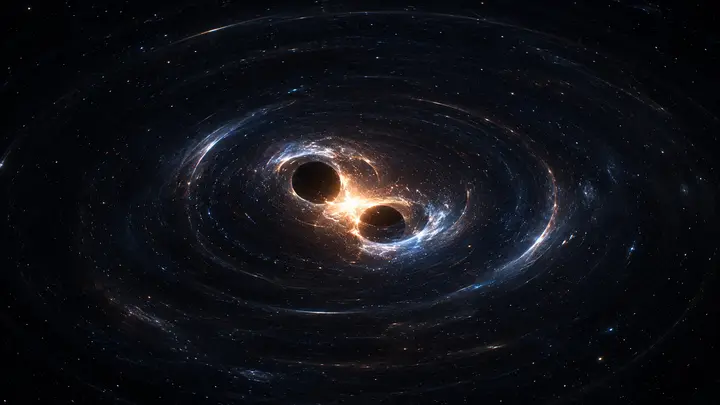
The night we heard two black holes collide.
A billion years ago two black holes spiralled together and shook spacetime itself. In September 2015 that tremor reached Earth and moved a mirror by less than the width of a proton.
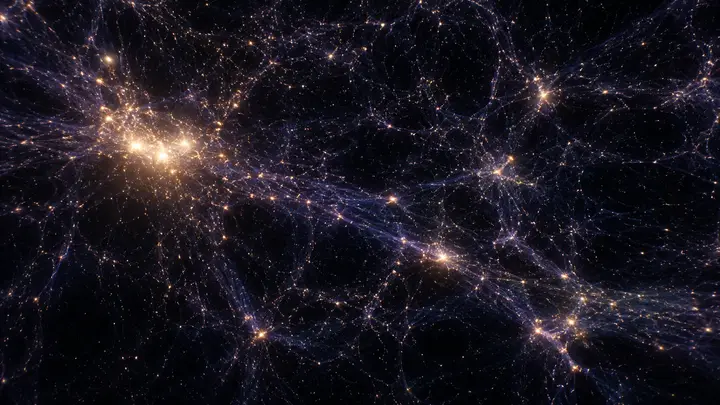
How we weighed the entire universe.
We never put the cosmos on a scale. We watched how it moves and how its light bends — and discovered that 95% of what holds it together is something we have never seen.
The static that turned out to be the Big Bang.
Two engineers spent a year trying to scrub a faint hiss out of their antenna. They cleaned, they checked, they evicted the pigeons. The hiss would not go — because it was the cooling afterglow of the universe’s first light.
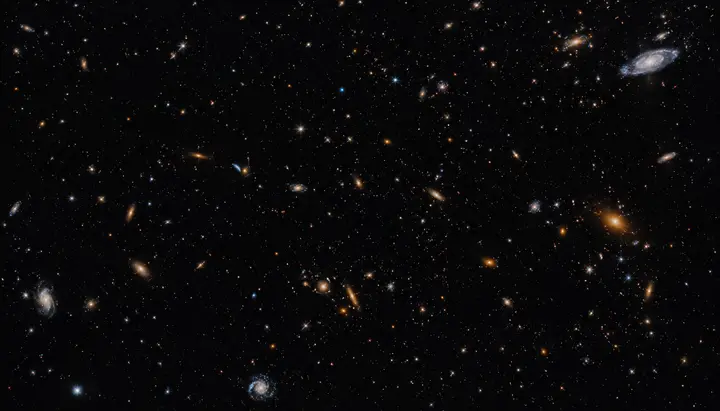
The night we learned the universe is growing.
For all of history the cosmos was assumed to be fixed and eternal. Then someone measured the light of distant galaxies and found them all rushing away — and the faster, the farther. Space itself was stretching.
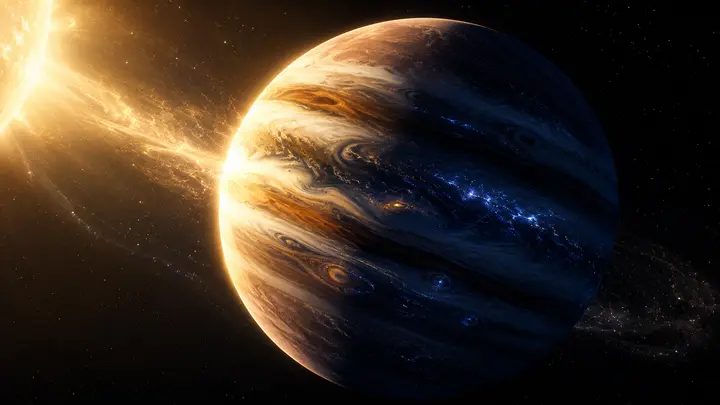
The night we found a world around another sun.
For thousands of years we wondered if other suns had other planets. We could not see them. In October 1995 two astronomers found one anyway — not by seeing it, but by watching its star wobble.
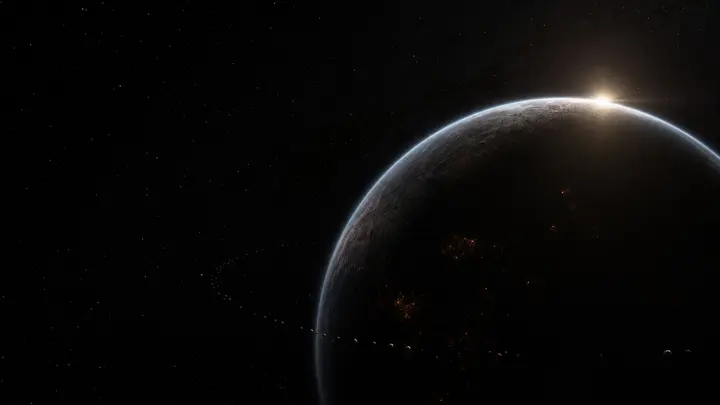
First contact may not be a message, but a trace.
We have spent decades listening for a deliberate transmission. The first credible evidence of another technology may instead be chemistry, heat or structure: an unintended record written into a world.
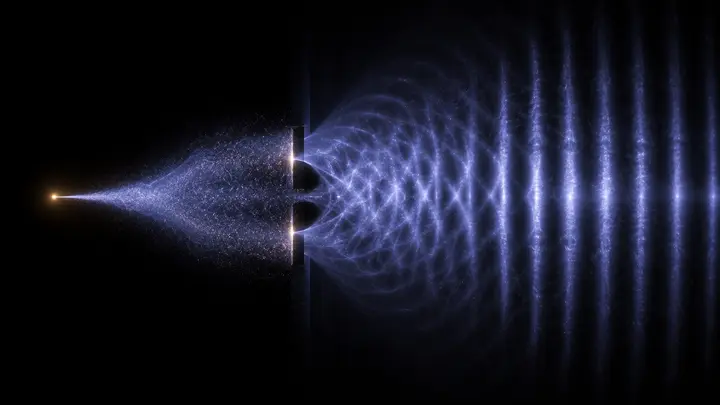
Does a particle exist before you look?
Send particles one at a time through two open slits: individual dots gradually form interference fringes. Make the paths fully distinguishable, and those fringes disappear. Quantum mechanics predicts the pattern precisely; what happens between source and detection remains a question of interpretation.
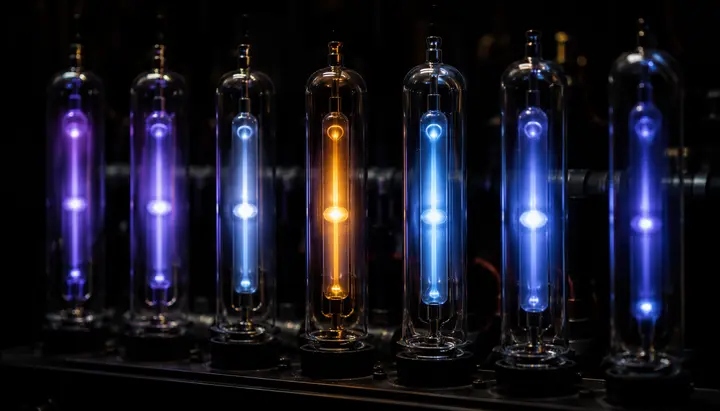
The table that predicted the unknown.
Arrange the elements in the right order and a rhythm appears — their properties repeat. Mendeleev trusted that rhythm so completely that he left blank squares for elements no one had found, and described them before they existed.
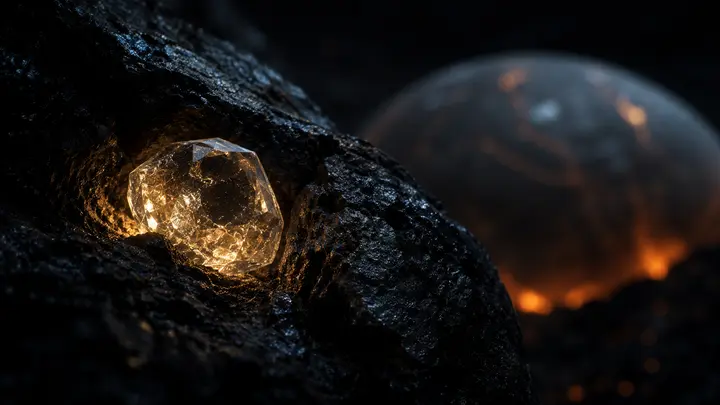
Reading four billion years out of a rock.
For most of history the Earth had no knowable age. Then radioactivity handed us a clock buried inside the rocks themselves — and a young chemist used it to weigh deep time to within one percent.
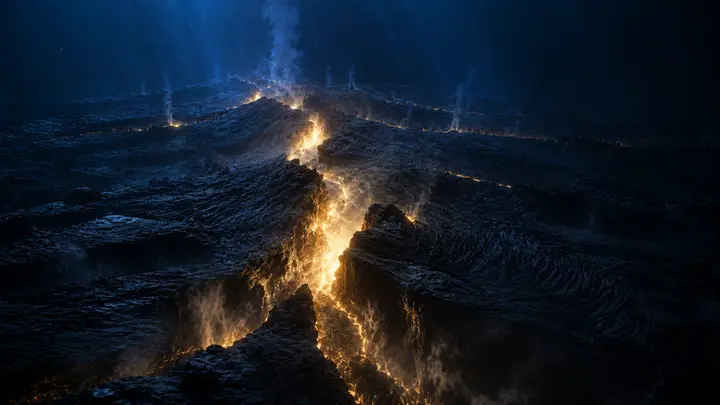
The discovery that the ground is moving.
A weather scientist noticed the continents fit together like torn pieces of paper, and proposed they drift. He was ridiculed for fifty years — until the seafloor itself was found to be keeping a record that proved him right.
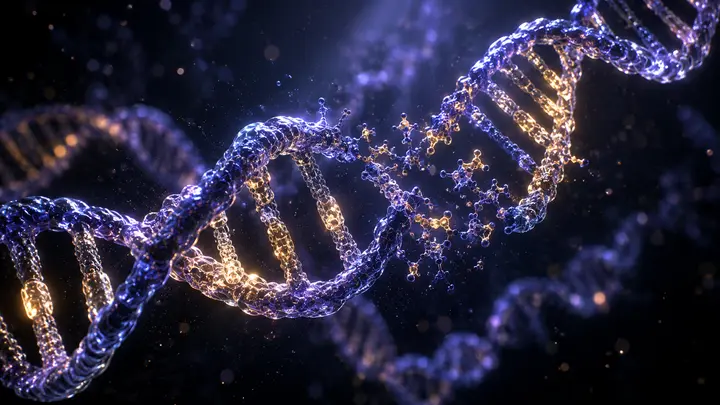
The shape that copies itself.
In 1953 the molecule of heredity turned out to be two strands wound into a spiral — and the instant its structure was clear, so was the secret it had been keeping: how life makes a copy of itself.
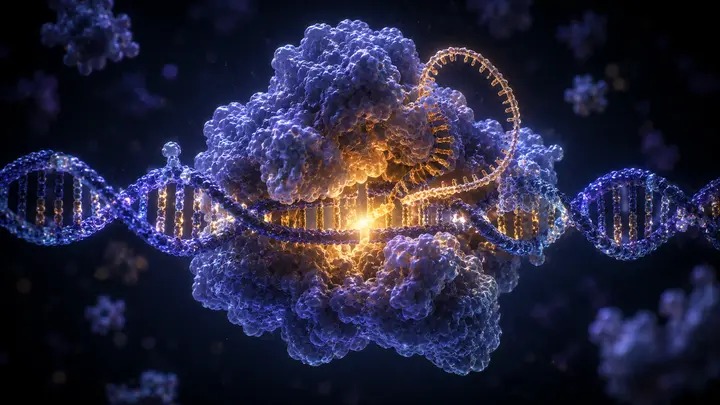
We learned to edit the code of life.
Bacteria have fought viruses for billions of years with a molecular memory that recognises and cuts enemy DNA. In 2012 two scientists realised that system could be reprogrammed — turning an immune defence into a tool that rewrites genes to order.
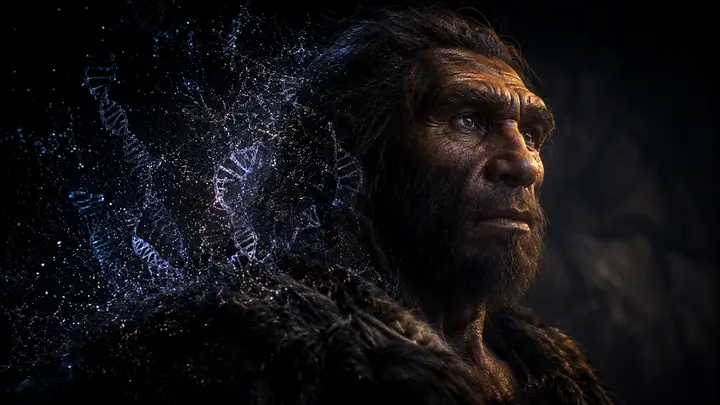
Reading the genomes of the dead.
DNA was thought to crumble into uselessness soon after death. Painstakingly, we learned to read it anyway — and the genomes of people gone for tens of thousands of years revealed that our own species is not as alone, or as pure, as we believed.
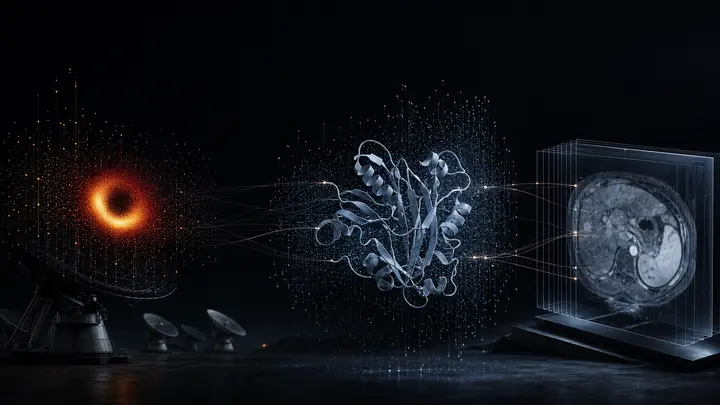
The rise of artificial intelligence: transforming the future.
Artificial intelligence can uncover patterns no person could inspect alone, from proteins to medical scans. Its power is real, but so are its limits: what it becomes will depend on the choices made around it.
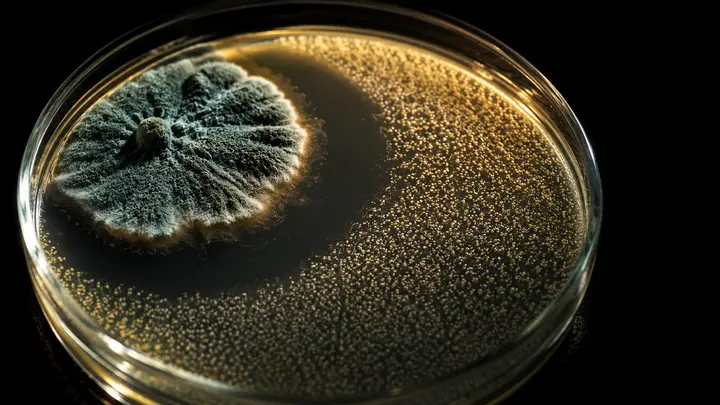
The mould that beat infection.
A bacteriologist came back from holiday to a contaminated, ruined culture plate. Most people would have washed it. He looked closer — and found a mould that could kill the bacteria that, until then, routinely killed us.
How we taught the body to remember a disease.
Smallpox killed hundreds of millions and scarred or blinded millions more. Then a country doctor noticed that milkmaids never caught it — and turned that clue into the idea that would, two centuries later, wipe the disease from the Earth.
No discoveries match — try another word or clear the filters.